Cellar Door Ending Explained: The Truth Behind The Locked Door And Its Divisive Final Scene
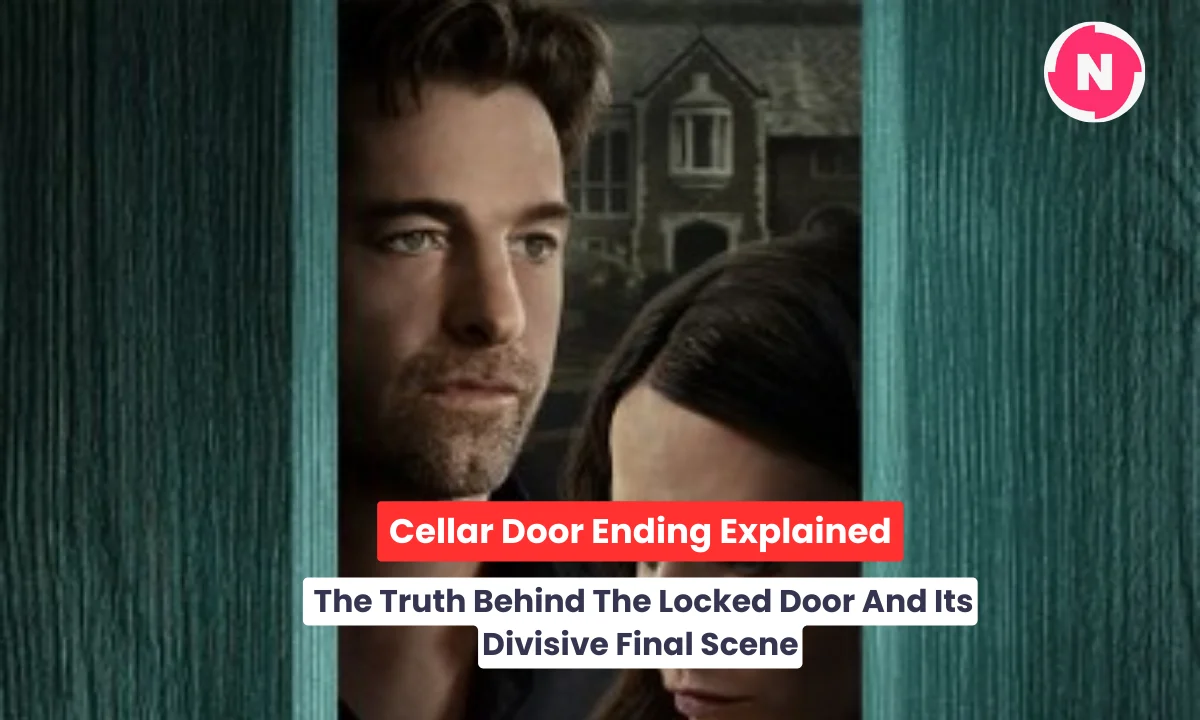
Cellar Door Ending Explained: The Truth Behind The Locked Door And Its Divisive Final Scene
Cellar Door ending explained searches continue to spike because the film refuses to give viewers a clear answer. Instead of revealing what lies behind the cellar door, the movie forces the audience to sit with discomfort, silence, and unresolved truth. Released in late 2024, Cellar Door positions itself as a psychological thriller but ultimately leans more toward a slow burning character study about guilt, repression, and the cost of protecting a false sense of normalcy.
At first glance, the premise feels simple. A grieving couple is offered a luxury house for free with one condition. Never open the cellar door. As the story progresses, the door becomes more than a physical object. It slowly turns into a symbol for secrets the characters refuse to confront. The ending leaves many viewers frustrated while others praise it for restraint. Understanding the final moments requires looking beyond horror expectations and focusing on what the film is actually trying to say.
Key Takeaways
- The movie never reveals what is inside the cellar door by design
- The door represents suppressed guilt, trauma, and hidden crimes
- Sera killing Alyssa is the real turning point of the story
- John and Sera choose silence over truth in the final act
- Public opinion remains sharply divided on whether the ending works
The Meaning Of Emmett’s Offer And The Forbidden Door
Emmett’s offer is intentionally unrealistic. A lavish house at no cost with a single rule feels like a test rather than a transaction. From the beginning, the condition about the cellar door is not about property ownership. It is about control and restraint. Emmett wants to see how people behave when temptation is always present but consequences are unclear.
The cellar door acts as a psychological boundary. It separates what the couple shows the world from what they hide from each other. John views the door as a threat. Sera treats it as something that should remain untouched. This difference mirrors how both characters deal with truth. John wants answers even if they hurt. Sera wants stability even if it is built on lies.
Trauma As The Foundation Of The Story
The miscarriage is not just background context. It is the emotional foundation of every decision that follows. Sera’s grief is internalized and unresolved. John’s guilt is external and evasive. He avoids confrontation by hiding his affair and pretending life can continue as normal.
Moving into the new house is framed as a fresh start. In reality, it is avoidance. The house does not heal them. It amplifies what they refuse to face. The cellar door becomes the physical reminder that their problems are not gone. They are simply locked away.
Alyssa’s Role And Why Her Death Changes Everything
Alyssa is not just a plot device. She represents the truth pushing its way into Sera and John’s controlled environment. Her presence at the housewarming party disrupts the illusion of order. Her connection to John exposes cracks in the marriage that Sera has tried to ignore.
When Alyssa confronts Sera, the situation escalates quickly. Sera killing Alyssa is the point where the story shifts from psychological tension to moral collapse. This act is not portrayed as calculated at first. It is driven by fear, rage, and desperation to protect a version of life that no longer exists.
After the murder, Sera becomes fully committed to repression. She hides the body and manipulates circumstances to maintain control. The cellar door now carries a different weight. It is no longer just a symbol. It is tied to real consequences and irreversible choices.
Why The Cellar Door Is Never Opened
One of the biggest questions viewers ask is simple. What was inside the cellar. The film intentionally refuses to answer this because the contents are irrelevant. Showing something physical would reduce the metaphor. The horror of the story is not supernatural. It is human.
Opening the door would force John and Sera to confront everything they have buried. The affair. The murder. The lies. Keeping it closed allows them to continue living in denial. The ending suggests that some people prefer a livable lie over a destructive truth.
The Final Confrontation Explained
In the final scenes, Sera confronts John and admits what she has done. This confession is not an attempt at honesty. It is a threat. She makes it clear that exposing the truth would destroy them both. John tries to open the cellar door as a last attempt at breaking free.
He fails not because the door is locked but because he lacks the courage to accept the outcome. When he stops, the decision is made. They choose silence. They choose to stay in the house. They choose to live with what they have done rather than face justice or emotional collapse.
The ending cuts off without resolution because the story is complete. The choice has been made. Nothing supernatural needs to happen.
Public Opinion On The Ending
Public reaction to the Cellar Door ending has been sharply divided. On social platforms and discussion forums, viewers continue to debate whether the ambiguity is meaningful or lazy.
Some audiences appreciate the restraint. They see the ending as a reflection of real life where answers are rarely clear and consequences are often internal. These viewers argue that revealing the cellar’s contents would weaken the film’s themes.
Others feel misled. Many expected a supernatural payoff or a concrete reveal. They criticize the film for building tension without delivering resolution. A common complaint is that the ending feels unfinished rather than intentional.
There is also a middle ground. Some viewers acknowledge the thematic intent but believe the execution lacked emotional impact. They praise the performances and ideas while feeling the story needed clearer direction.
Is The House Supernatural Or Just A Catalyst
The film never confirms that the house itself is haunted or cursed. Instead, it functions as a catalyst. It places pressure on people already on the edge and lets their flaws surface naturally. Previous occupants like Paul serve as warnings rather than evidence of paranormal activity.
Emmett’s role supports this interpretation. He does not act like a traditional villain. He observes rather than interferes. Giving the key at the end feels less like permission and more like acknowledgment. He knows they will not open the door because they are now trapped by their own choices.
Themes That Define The Ending
Several core themes explain why the ending feels unresolved yet complete.
Repression Over Resolution
The characters choose to suppress truth rather than confront it. The film suggests this choice is common and destructive.
Curiosity Versus Control
The door tempts curiosity but demands restraint. Giving in may destroy the illusion of safety.
The Cost Of Maintaining Appearances
The house represents an ideal life. Keeping it requires moral compromise.
Guilt As A Prison
By the end, the house is no longer a gift. It is a cage built from secrets.
Why The Ending Feels So Divisive
The ending challenges audience expectations. Many thrillers reward curiosity with answers. Cellar Door does the opposite. It punishes curiosity by showing that some truths ruin everything.
This approach works for viewers who enjoy psychological ambiguity. It frustrates those who expect narrative closure. The division itself reflects the film’s message. Some people need answers. Others prefer comfort.
Final Interpretation Of The Ending
The cellar door is never meant to be opened. It exists to test character rather than hide an object. By refusing to open it, John and Sera reveal who they truly are. People willing to live with lies if it means preserving stability.
The ending is not about mystery. It is about choice. And the choice they make is the most unsettling part of the film.
Tags: Cellar Door ending explained, Cellar Door movie meaning, psychological thriller ending, ambiguous movie endings, modern horror analysis, symbolism in thrillers, film ending discussion
Related Posts :






Share This Post